

Scope of work
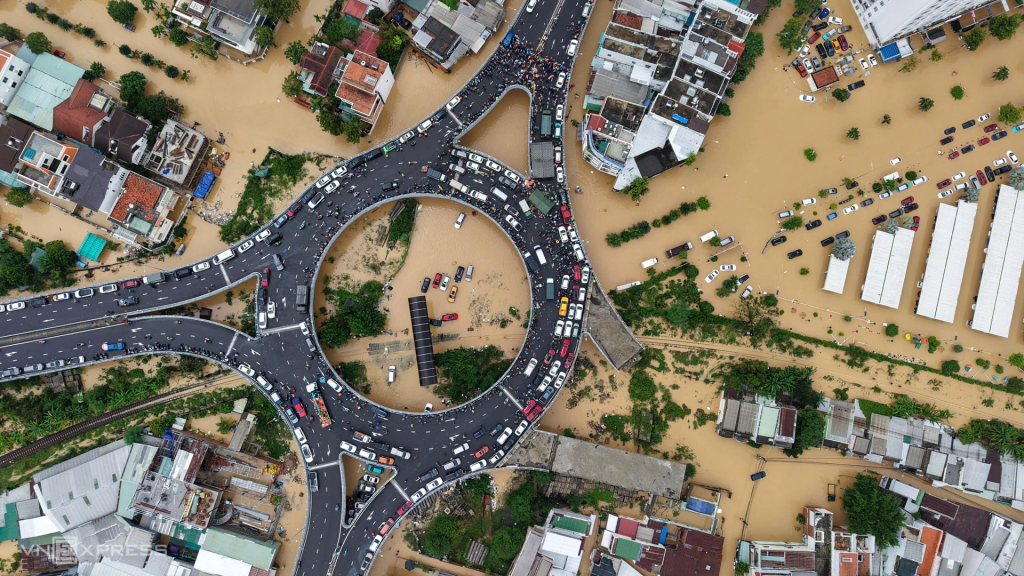
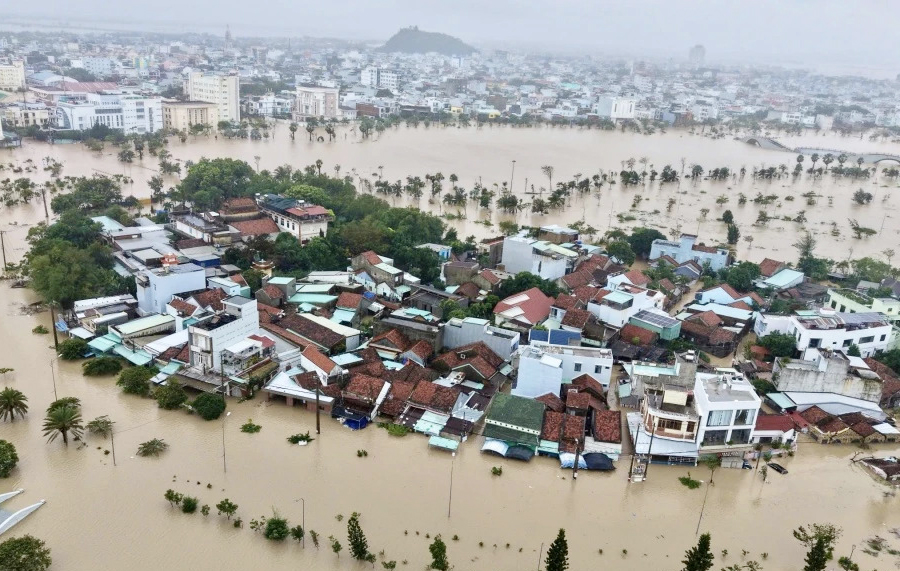
Providing emergency logistics services, including responses to natural disasters – such as storms, floods, earthquakes, tsunamis, and landslides – as well as structural collapses (e.g., bridges or construction projects), fires, oil spills, and crises arising from war, disease outbreaks, or political conflict, including the rescue and evacuation of citizens.
Carry out emergency logistics tasks in coordination with the local government’s emergency response command authority according to the direction and decision, including following the motto of the Government and enterprises working together. Including responses to:
– Connect and coordinate with the Government’s emergency response command organization to set up a switchboard and emergency communication system so that center can receive information from victims in the disaster area even in the event of power outages, public telecommunications outages, and widespread communication outages. This is a very important job and task for providing emergency logistics.
– Update real-time information on incidents happening so that local leaders can make timely decisions.
– Coordinate with the Emergency response command authority to grasp maps and diagrams of key areas and locations at risk or being affected by disasters in real time to promptly develop plans for each situation, and promptly provide resources for rescue: personnel gathering locations, supply resources, rescue equipment and vehicles, and temporary shelters for each type of disaster.
– Prepare plans and solutions to deploy necessary resources in advance for rescue work in disaster-prone areas as requested by local leaders for direction.
– Provide rescue resources mobilized from various locations and allocate resources appropriately for rescue work as requested by Central command organizations BEFORE, DURING AND AFTER disasters.
– Update and report real-time developments of disaster incidents from information from Government command organizations. Issue and notify necessary and continuous warnings to people in affected areas BEFORE, DURING and AFTER disasters.
– Quickly establish air, water, road and rail bridges for emergency response to gather and immediately provide goods, rescue equipment and vehicles according to the direction of approved Government organization for disaster response situations.
– Make a list of vehicles, equipment, and human resources mobilized from various sources and within the community, and a list of volunteer forces to be ready to mobilize immediately for rescue work BEFORE, DURING, and AFTER the disaster. Allocate volunteer forces appropriately according to the direction and decision of the government organization.
– Set up warehouses and temporary gathering points to serve rescue work.
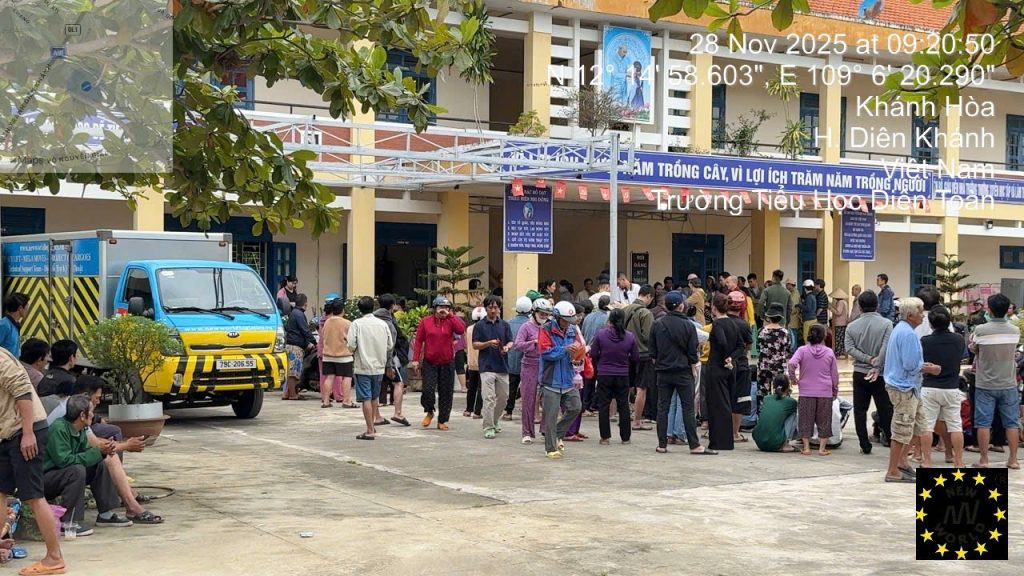
– Handle, classify, store, preserve relief goods, humanitarian aid goods, charity goods to disaster areas shortly. Manage and coordinate goods from central warehouses to temporary warehouses and distribute directly to each person in need of support.
– Transport vehicles, equipment, materials, fuel, mobile backup power sources, food, drinking water, other necessities to disaster-affected areas according to the dispatch decision of the Government organization for rescue work BEFORE, DURING and AFTER the disaster.
– Provide resources in terms of means, equipment, and human resources for specialized Government organization to handle post-disaster situations: garbage collection, sanitation, general environmental pollution, disease prevention, cleanup.
– Return equipment and vehicles deployed for rescue.
– Collect, evaluate, analyze implementation results, draw lessons learned as a basis for consulting local authorities at all levels for future disaster emergency response.
– Establish detailed procedures, plans, solutions and implementation measures for Emergency Logistics for each type of disaster based on the scale, geographical area, nature, characteristics of the disaster, weather conditions, internal and external influencing factors.